 Skip to content
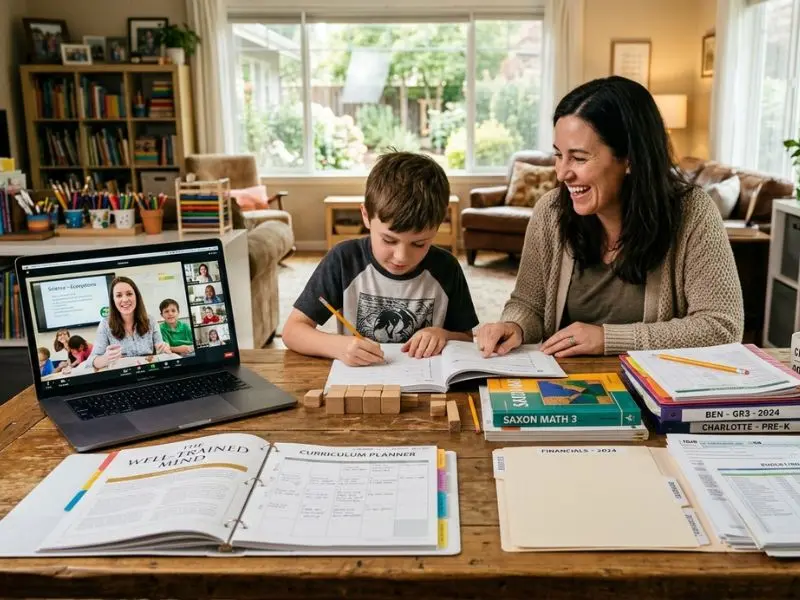
I have noticed that financial questions usually appear soon after families begin exploring homeschooling. Parents start calculating curriculum costs and reduced work hours, while tutors and educators wonder whether homeschool teaching can become reliable income. That growing uncertainty is why more people now search: do homeschool teachers get paid?
Research into homeschool funding, private tutoring, co-ops, and online education shows a clear pattern. Most parents are not directly paid to homeschool their own children, but some homeschool teachers still earn income through tutoring, learning pods, virtual classes, and approved state education programs.
- Why Families Ask This Question
- Quick Answer
- Key Takeaways
- Who Are Homeschool Teachers?
- Do Homeschool Parents Get Paid?
- The Difference Between Payment and Reimbursement
- Why Homeschool Teachers Typically Do Not Get Paid
- When Do Homeschool Teachers Get Paid?
- Can You Get Paid to Homeschool Someone Else’s Child?
- How Much Do Homeschool Teachers Make?
- Payment Methods for Homeschool Teachers
- State Funding and Reimbursement Programs
- Do Funded Homeschool Programs Have Extra Requirements?
- Pros and Cons of Homeschool Funding Programs
- Legal and Tax Considerations
- Do Homeschool Teachers Receive Employee Benefits?
- Requirements to Become a Homeschool Teacher
- Ways Homeschool Teachers Can Increase Income
- Can Homeschool Teaching Become a Career?
- Benefits and Challenges of Being a Homeschool Teacher
- Financial Challenges for Homeschool Families
- How to Find Homeschool Teaching Opportunities
- Why More Teachers Are Exploring Homeschool Education
- Frequently Asked Questions
- Conclusion
Why Families Ask This Question
One of the biggest worries for new homeschool families is money. Many parents wonder if homeschooling will reduce household income or create extra financial pressure.
At the same time, some teachers and tutors want to know whether homeschool teaching can become a flexible career path. This is why the question Do homeschool teachers get paid? has become more common in recent years.
Quick Answer
In most states, homeschool parents do not receive a regular paycheck for teaching their own children. However, some homeschool teachers can earn money through tutoring, online teaching, homeschool pods, co-ops, or state funding programs like ESAs.
Key Takeaways
- Most homeschool parents do not receive a direct salary.
- Some states offer ESA or reimbursement programs.
- Homeschool teachers can earn money through tutoring, pods, co-ops, and online teaching.
- Income depends on experience, location, and teaching setup.
- Paid homeschool teaching income is usually taxable.
Who Are Homeschool Teachers?
A homeschool teacher is someone who teaches children outside a traditional school setting. In many cases, this is the parent. However, some families also hire professional educators or tutors.
Parents as Teachers
Most homeschool parents teach their own children at home. They choose the curriculum, create schedules, and manage daily lessons.
Parents usually homeschool for personal reasons such as:
- flexible learning
- religious values
- special learning needs
- safety concerns
- academic freedom
Hired Tutors and Educators
Some families hire private homeschool teachers to teach certain subjects or full-time lessons. These teachers may work:
- in the child’s home
- online
- in homeschool pods
- through learning centers
Professional homeschool teachers are more common in larger cities and high-income families.
Co-op Teachers
Homeschool co-ops are groups where families learn together. Some co-op teachers volunteer, while others receive payment for teaching classes.
These classes may include:
- science labs
- art
- foreign languages
- math support
Online Homeschool Teachers
Online homeschool teachers teach students through live classes or recorded lessons. Many work independently or through online education platforms.
This option has become more popular in recent years because families want flexible learning from home.
Do Homeschool Parents Get Paid?
In most states, parents do not receive a direct salary for homeschooling their own children.
Homeschooling is usually seen as a personal educational choice, not a government job. Because of this, parents are normally responsible for their own teaching costs.
However, some states offer:
- Education Savings Accounts (ESAs)
- reimbursement programs
- charter homeschool funding
- tax credits
These programs are not the same as a paycheck. Instead, they help families cover educational expenses such as:
- curriculum
- tutoring
- computers
- online courses
- school supplies
The Difference Between Payment and Reimbursement

Families confuse homeschool funding with a regular paycheck. However, these are usually very different things.
Here is a simple breakdown:
| Type | What It Means |
|---|---|
| Direct salary | Regular employment income |
| ESA funding | Money for approved educational expenses |
| Reimbursement program | Repayment for learning materials or classes |
| Co-op teaching income | Payment for teaching homeschool groups |
| Tutoring income | Earnings from teaching other students |
Most homeschool parents do not receive a direct salary from the government. Instead, some states offer limited educational funding programs.
Why Homeschool Teachers Typically Do Not Get Paid
There are several reasons why homeschool parents usually do not earn a salary.
Homeschooling Is Usually Parent-Driven
Most homeschool programs are created and managed by parents themselves. The government does not officially employ them as teachers.
No Formal Employment Relationship
Traditional teachers work for public or private schools. Homeschool parents normally do not have that type of employment agreement.
Without an employer, there is usually no salary or employee benefits.
Most Families Homeschool Independently
Many homeschool families choose independence because they want freedom over:
- curriculum
- schedules
- teaching methods
- testing requirements
Receiving public funding may sometimes come with extra rules or reporting requirements.
When Do Homeschool Teachers Get Paid?
Some homeschool teachers can earn income depending on their role and teaching setup.
Private Homeschool Tutors
Families often hire tutors for subjects like:
- math
- science
- SAT preparation
- writing
- foreign languages
Private tutors may charge hourly rates or monthly fees.
Learning Pods and Shared Teachers
Learning pods became more popular after online learning increased across the United States.
In this setup, several families hire one teacher to teach a small group of children together.
Teachers in homeschool pods may earn full-time or part-time income.
Homeschool Co-op Teachers
Some co-op teachers receive payment for:
- weekly classes
- specialty subjects
- workshops
- enrichment programs
Pay depends on the size of the co-op and the teacher’s experience.
Virtual and Online Homeschool Teachers
Online homeschool teachers may work:
- independently
- through tutoring platforms
- with virtual academies
- inside homeschool programs
Some create live classes, while others sell recorded lessons or digital curriculum.
Can You Get Paid to Homeschool Someone Else’s Child?
Yes. Some families hire private homeschool teachers or tutors to teach their children at home. These teachers may work full-time, part-time, or teach small homeschool groups.
Payment depends on:
- experience
- education level
- teaching subjects
- location
- number of students
In some cases, certified teachers may earn more than standard tutors.
How Much Do Homeschool Teachers Make?

Homeschool teacher income can vary widely based on experience, location, and teaching style.
Here is a general estimate:
| Teaching Type | Estimated Income |
|---|---|
| Private tutor | $20–$80 per hour |
| Online teacher | $25–$60 per class |
| Homeschool pod teacher | $35,000–$70,000 yearly |
| Co-op teacher | Part-time or per-class pay |
| Certified homeschool educator | Higher earning potential |
Teachers with special skills or certifications often charge more.
Average Hourly Rates
Many homeschool tutors charge hourly fees. Rates often depend on:
- subject difficulty
- teaching experience
- student age
- local demand
Advanced subjects usually pay more.
Average Annual Salary
Some experienced homeschool pod teachers or private educators may earn income similar to private school teachers, depending on location and demand.
Online salary estimates often range between $50,000 and $60,000 per year for experienced educators.
Factors That Affect Earnings
Income may depend on:
- teaching credentials
- certifications
- location
- online presence
- subject expertise
- group size
- parent demand
Payment Methods for Homeschool Teachers
Homeschool teachers may receive payment in different ways.
Hourly Pay
This is common for tutoring or short classes.
Salary Agreements
Some families hire teachers full-time with monthly or yearly contracts.
Per-Student Fees
Co-op teachers often charge per student or per semester.
Bartering and Trade
Some homeschool groups exchange services instead of money. For example:
- one parent teaches science
- another parent teaches math
State Funding and Reimbursement Programs
Some states offer homeschool funding programs to help families with educational costs.
These programs vary by state.
Education Savings Accounts (ESAs)
ESA programs provide money families can use for approved educational expenses.
Covered expenses may include:
- curriculum
- tutoring
- online classes
- educational therapy
- private courses
Popular ESA states include:
- Arizona
- Florida
- Utah
- Arkansas
- Iowa
Rules and eligibility requirements are different in every state.
ESA funds are usually limited to approved educational expenses and cannot normally be used as personal income.
Homeschool Charter Programs
Some states allow charter homeschool programs. These programs may provide:
- curriculum
- learning materials
- teacher support
- reimbursements
In return, families may need to follow testing or reporting requirements.
State Reimbursement Options
A few states provide limited reimbursement options for educational materials or enrichment programs.
Parents should always check current state homeschool laws before applying.
Which States Offer Homeschool Funding?

Some states now offer programs that help homeschool families pay for educational expenses. These programs are usually connected to Education Savings Accounts or school choice funding.
Here are a few well-known examples:
| State | Program Type | Possible Support |
|---|---|---|
| Arizona | ESA | Curriculum and tutoring funds |
| Florida | Scholarship programs | Education expense support |
| Utah | ESA | Approved learning expenses |
| Arkansas | Education Freedom Account | Private education funding |
| Iowa | ESA | Qualified educational costs |
Programs change often, so parents should always check their state’s current homeschool laws before applying.
Do Funded Homeschool Programs Have Extra Requirements?
Sometimes. State-funded homeschool programs may require:
- testing
- attendance records
- approved curriculum
- spending reports
- teacher meetings
Rules depend on the state and program type.
Some families prefer independent homeschooling because it offers more flexibility.

Pros and Cons of Homeschool Funding Programs
| Pros | Cons |
|---|---|
| Helps reduce curriculum and tutoring costs. | Some programs require reporting or approval. |
| May cover online classes and learning materials. | Spending rules may limit what families can buy. |
| Can make homeschooling more affordable for some families. | State rules and eligibility requirements vary widely. |
| May support families who need extra educational help. | Some programs may reduce homeschooling flexibility. |
Legal and Tax Considerations
Homeschool teachers should understand local laws and tax rules before accepting payment.
Independent Contractor Rules
Many homeschool tutors work as independent contractors. This means they are responsible for:
- taxes
- invoices
- business records
Employee Classification Rules
Some full-time homeschool teachers may work as employees for private families or learning programs.
This can affect:
- taxes
- insurance
- legal protections
Taxes for Paid Homeschool Teachers
Income earned from tutoring, co-op teaching, or online homeschool teaching is generally taxable in the United States.
Teachers may need to:
- report income
- track expenses
- file self-employment taxes
State Licensing Requirements
Most states do not require homeschool parents to hold teaching licenses.
However, some private teaching jobs or charter programs may prefer certified educators.
Do Homeschool Teachers Receive Employee Benefits?
Most homeschool teachers work independently, so they usually do not receive:
- health insurance
- retirement plans
- paid vacation
- employee benefits
However, some teachers working with private learning programs or charter organizations may receive limited benefits.
Requirements to Become a Homeschool Teacher
Requirements depend on the type of homeschool teaching.
Education Requirements
Parents usually do not need a teaching degree to homeschool their own children in many states.
Private teaching positions may have higher expectations.
Teaching Skills
Successful homeschool teachers often have:
- patience
- organization
- communication skills
- lesson planning ability
Certifications and Licenses
Certifications may help teachers earn higher income, especially for:
- advanced subjects
- special education
- online programs
Ways Homeschool Teachers Can Increase Income
Some homeschool teachers turn teaching into a long-term career.
Tutoring Services
Private tutoring is one of the fastest ways to earn income in homeschooling.
Teaching Online Classes
Teachers can create:
- live Zoom classes
- recorded lessons
- membership courses
Selling Curriculum
Some educators create and sell:
- worksheets
- lesson plans
- homeschool planners
- printable activities
Educational Consulting
Experienced homeschool teachers sometimes help new families choose:
- curriculum
- schedules
- learning strategies
Running Homeschool Pods
Learning pods can become small educational businesses with multiple students and regular tuition income.
Can Homeschool Teaching Become a Career?

For some educators, homeschool teaching becomes more than part-time work. Experienced tutors, pod teachers, and online instructors sometimes turn homeschooling into a full-time career.
Common career paths include:
- private tutoring
- microschools
- homeschool pods
- online teaching
- curriculum businesses
- educational consulting
Income depends on demand, experience, and teaching specialization.
Benefits and Challenges of Being a Homeschool Teacher
Homeschool teaching has both rewards and difficulties.
Flexible Schedule
Many homeschool teachers enjoy more control over their daily routine.
Personalized Teaching
Homeschooling allows teachers to adjust lessons based on each child’s learning style.
Income Challenges
Income may not always be stable, especially for part-time teachers.
Workload and Planning Time
Homeschool teaching often requires:
- lesson preparation
- grading
- activity planning
- communication with parents
Financial Challenges for Homeschool Families
One challenge many homeschool families face is balancing education with household income. Some parents reduce work hours or leave full-time jobs to homeschool their children.
Because of this, many families look for:
- affordable curriculum
- ESA programs
- co-op learning
- shared teaching groups
- flexible online learning
Planning ahead financially can make homeschooling more manageable long-term.
How to Find Homeschool Teaching Opportunities
There are several ways to find homeschool teaching jobs.
Homeschool Co-ops
Local co-ops often need teachers for group classes and enrichment programs.
Online Teaching Platforms
Teachers can offer classes through:
- tutoring websites
- virtual academies
- online homeschool communities
Local Homeschool Communities
Facebook groups and homeschool networks can help teachers connect with families in their area.
Why More Teachers Are Exploring Homeschool Education
Some teachers leave traditional classrooms because they want:
- smaller learning groups
- flexible schedules
- more teaching freedom
- personalized instruction
- remote work opportunities
Homeschool education gives some educators a chance to teach in a different environment while building independent income streams.
Frequently Asked Questions
Can parents legally get paid to homeschool?
In most states, parents do not receive a direct salary for homeschooling their own children. However, some states offer reimbursement or ESA funding programs.
Do homeschool co-op teachers get paid?
Some do. Payment depends on the co-op structure and teaching arrangement.
Can certified teachers earn money homeschooling?
Yes. Certified teachers may work as tutors, pod teachers, online instructors, or private homeschool educators.
Conclusion
From researching homeschool funding programs and educator income models, I have seen that confusion about homeschool teacher pay usually comes from misunderstanding the difference between salaries, reimbursements, and tutoring income. While most parents are not directly paid to homeschool their own children, homeschool teachers can still build flexible income opportunities through co-ops, tutoring, pods, and online teaching.