 Skip to content
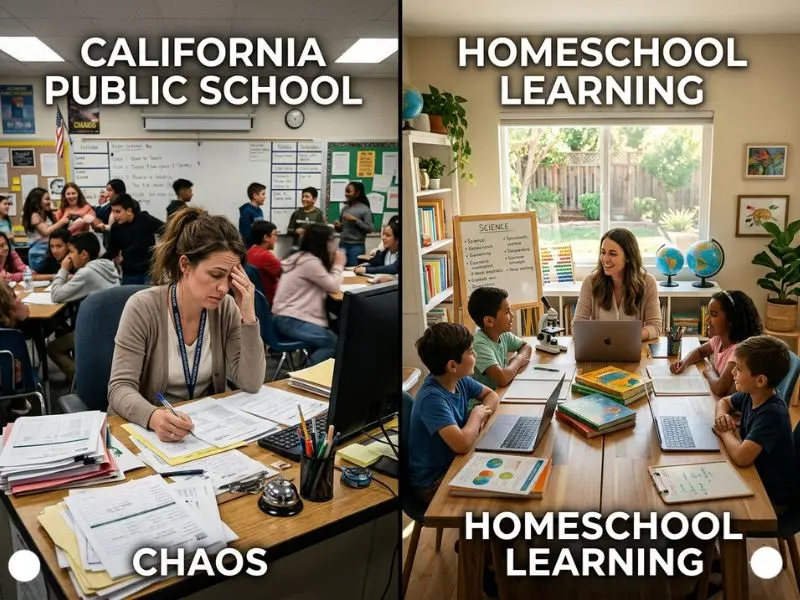
Changing direction into homeschool teaching can feel intimidating when California education rules seem difficult to understand. Some people are leaving stressful school environments, while others want a more independent way to teach students. Many beginners also question whether they have enough knowledge or experience to guide homeschool learners successfully.
During my research into California homeschooling methods, tutor requirements, and parent-led education programs, I found that homeschool teaching rarely follows one perfect formula. Families often care more about reliable support, flexible instruction, and real student progress than traditional classroom-style systems or formal teaching backgrounds.
- Key Takeaways
- What Is a Homeschool Teacher?
- Why Families Choose Homeschooling in California
- Is It Legal to Become a Homeschool Teacher in California?
- Homeschooling Options in California
- California Homeschool Options Comparison
- Do You Need a Teaching Credential in California?
- Do Homeschool Teachers Need to Register With California?
- Signs You May Be Ready to Become a Homeschool Teacher
- Step-by-Step Guide to Becoming a Homeschool Teacher in California
- Skills That Help Homeschool Teachers Succeed
- Helpful Degrees and Certifications
- Choosing a Homeschool Curriculum
- Most In-Demand Homeschool Subjects
- Can You Become a Homeschool Teacher Without a Degree?
- Teaching Other Homeschool Students in California
- Homeschool Teacher vs Tutor
- Finding Homeschool Teaching Opportunities
- What Homeschool Families Usually Look For
- Homeschool Teacher Salary in California
- Online Homeschool Teaching
- Advantages and Challenges of Homeschool Teaching
- Mistakes New Homeschool Teachers Often Make
- Frequently Asked Questions
- Conclusion
Key Takeaways
- California allows several legal homeschool options.
- Parents usually do not need teaching credentials to homeschool their own children.
- The credentialed tutor option requires a valid California teaching credential.
- Many homeschool teachers work through tutoring, pods, co-ops, or online classes.
- Record keeping is important under California homeschool laws.
- Flexible teaching styles often work better than traditional classroom methods.
- Many homeschool teachers begin part time before teaching full time.
What Is a Homeschool Teacher?
A homeschool teacher teaches students outside a traditional school setting.
In California, homeschool teachers may include:
- parents teaching their own children
- private tutors
- online instructors
- co-op teachers
- pod or microschool teachers
- subject-specific homeschool tutors
Some homeschool teachers work daily with students, while others teach only a few classes each week.
Why Families Choose Homeschooling in California
Families move toward homeschooling for many different reasons.
Some children struggle in large classrooms or need more flexible learning schedules. Other families want:
- smaller learning environments
- personalized instruction
- safer social settings
- flexible schedules
- more family involvement in education
Parents also choose homeschooling when traditional schools no longer meet their child’s emotional or academic needs.
Many homeschool teachers in California first begin teaching inside their own homes before later tutoring other students or joining homeschool co-ops.
Is It Legal to Become a Homeschool Teacher in California?
Yes. Homeschooling is legal in California.
Families can teach children at home through different legal options approved under California homeschool laws. The requirements depend on which homeschool path the family chooses.
California homeschool requirements are often easier than many beginners expect once they understand the legal setup clearly.
Homeschooling Options in California

California offers multiple ways to homeschool legally.
1. Public Charter Homeschool Program
Some homeschool families join public charter programs that provide:
- curriculum support
- educational funding
- teacher guidance
- testing assistance
Parents still handle much of the teaching at home.
2. Independent Study Program
Independent study programs are connected to public schools.
Students complete lessons at home while working under public school supervision.
3. Private Satellite Program (PSP)
Some families enroll in private homeschool programs that help with:
- records
- transcripts
- attendance tracking
- guidance
4. Private School Affidavit (PSA)
This is one of California’s most common homeschool methods.
Parents file a Private School Affidavit and operate their homeschool privately from home.
5. Credentialed Tutor Option
California also allows instruction through credentialed tutors.
The tutor must:
- hold a California teaching credential
- teach required subjects
- provide instruction during the regular school year
California Homeschool Options Comparison
| Option | Credential Needed | Parent Teaches? |
|---|---|---|
| Private School Affidavit (PSA) | No | Yes |
| Charter Homeschool Program | No | Yes |
| Private Satellite Program | Usually No | Yes |
| Credentialed Tutor | Yes | Sometimes |
Do You Need a Teaching Credential in California?
The answer depends on how you plan to homeschool.
| Homeschool Option | Credential Required? |
|---|---|
| PSA Homeschooling | No |
| Charter Homeschooling | No |
| PSP Homeschooling | Usually No |
| Credentialed Tutor Option | Yes |
Most California parents homeschooling their own children do not need teaching certificates.
However, credentials may help homeschool teachers who:
- tutor students professionally
- teach advanced subjects
- run microschools
- work as evaluators or private tutors
Do Homeschool Teachers Need to Register With California?
Registration depends on the homeschool option being used.
Families operating under the Private School Affidavit option usually file a PSA each year with the California Department of Education.
Public charter programs handle paperwork differently because students remain connected to public schools.
Most homeschooling parents do not need special state approval before teaching their children, but proper records should always be maintained.
Signs You May Be Ready to Become a Homeschool Teacher
You do not need to feel fully confident before you begin. Many homeschool teachers start with one subject, one student, or one small group.
- You enjoy helping students learn.
- You communicate clearly with parents.
- You can stay organized with schedules.
- You feel comfortable teaching at least one subject.
- You enjoy flexible learning environments.
- You are willing to keep learning and improving.
Many successful homeschool teachers begin before they feel completely ready.
Step-by-Step Guide to Becoming a Homeschool Teacher in California
Step 1: Understand California Homeschool Laws
Before teaching students, learn how California homeschooling works legally.
Important topics include:
- homeschool options
- attendance expectations
- portfolio records
- evaluations
Many beginners feel confused because California offers several homeschool paths with different rules. Learning the legal structure early makes the process much easier later.
Step 2: Decide What Type of Homeschool Teacher You Want to Become
Some people homeschool their own children.
Others focus on:
- tutoring
- online classes
- co-op teaching
- microschools
- pod teaching
Your teaching path affects:
- legal requirements
- teaching setup
- income opportunities
Step 3: Choose Subjects or Grade Levels
Many homeschool teachers specialize instead of teaching every subject.
Popular areas include:
- elementary learning
- reading support
- middle school math
- science
- SAT/ACT prep
- writing instruction
Specializing often helps homeschool teachers build confidence faster.
Step 4: Create Flexible Lesson Plans
Homeschool students often learn differently from traditional classroom students.
Good homeschool teachers create:
- lesson plans
- activity schedules
- project ideas
- learning goals
Many California homeschool families prefer flexible teaching instead of rigid classroom systems.
Step 5: Gain Experience
Experience matters more than perfection.
New homeschool teachers often begin by:
- tutoring
- volunteering
- teaching co-op classes
- helping homeschool families
- teaching church groups
Many successful homeschool teachers started with small groups before teaching professionally.
Step 6: Connect With Homeschool Communities
Many teaching opportunities come through homeschool networks.
Look for:
- Facebook homeschool groups
- local co-ops
- homeschool conventions
- learning pods
- community classes
Homeschool communities often grow through recommendations and referrals.
Step 7: Start Teaching Students
Many homeschool teachers begin part time while building experience and trust with families.
Over time, some expand into:
- online teaching
- private tutoring
- homeschool pods
- microschools
- curriculum coaching
Skills That Help Homeschool Teachers Succeed
Strong teaching skills help homeschool students learn more effectively.
Communication
Parents want clear communication and regular updates.
Organization
Keeping lessons and records organized reduces stress later.
Flexibility
Homeschool students often learn at different speeds.
Patience
Many homeschool students need individualized support.
Creativity
Hands-on learning and flexible activities often work well in homeschool environments.
Helpful Degrees and Certifications
Many homeschool teachers in California do not have formal teaching degrees.
Still, some qualifications may help:
- elementary education
- early childhood education
- tutoring certifications
- child development courses
- online teaching training
Subject knowledge and teaching experience are often more important to homeschool families than formal resumes.
Choosing a Homeschool Curriculum
Homeschool curriculum simply means the learning materials and lesson structure used to teach students.
California homeschool teachers may use:
- online programs
- textbooks
- worksheets
- unit studies
- video lessons
- custom lesson plans
Many families combine different resources instead of following only one program.
Flexible curriculum choices often work better because homeschool students learn differently.
Most In-Demand Homeschool Subjects
Some subjects are requested more often because parents may want extra help, especially in upper grades.
| Subject | Why Families Need Help |
|---|---|
| Math | Advanced concepts can feel difficult for many parents. |
| Science | Labs and higher-level topics may need outside support. |
| Reading | Early reading struggles often need patient one-on-one help. |
| Writing | Students often need structure, feedback, and regular practice. |
| SAT/ACT Prep | High school homeschoolers may need help preparing for college exams. |
| Foreign Languages | Many parents prefer outside instruction for language learning. |
Can You Become a Homeschool Teacher Without a Degree?
Yes. Many homeschool teachers do not have teaching degrees.
Parents teaching their own children usually do not need:
- teaching licenses
- education degrees
- state certifications
However, professional homeschool teachers may benefit from:
- tutoring experience
- subject expertise
- certifications
- classroom experience
Teaching Other Homeschool Students in California
Teaching your own children is different from teaching other families’ children professionally.
Some California homeschool teachers work as:
- tutors
- pod teachers
- co-op instructors
- online teachers
Families teaching outside students for payment should understand California homeschool laws carefully because some teaching situations may legally fall under tutoring or private education services.
Many homeschool teachers begin by tutoring one subject before expanding into larger teaching programs.
Homeschool Teacher vs Tutor
| Homeschool Teacher | Tutor |
|---|---|
| May teach full curriculum | Usually teaches one subject |
| Often manages schedules | Supports existing learning |
| Long-term teaching support | Short-term academic support |
| May teach daily | Often teaches weekly |
Both roles help students, but their responsibilities are usually different.
Finding Homeschool Teaching Opportunities

Finding homeschool students takes time in the beginning.
Many homeschool teachers connect with families through:
- homeschool Facebook groups
- co-ops
- church communities
- tutoring websites
- referrals
- homeschool events
- online learning platforms
Trust matters heavily inside homeschool communities.
Parents often prefer teachers who:
- communicate clearly
- understand flexible learning
- respect different learning styles
- build supportive environments
What Homeschool Families Usually Look For
Many homeschool parents care about teaching style, trust, and communication more than perfect resumes.
Families often prefer homeschool teachers who:
- Explain lessons clearly
- Stay patient with students
- Communicate regularly
- Understand flexible learning
- Create supportive learning environments
- Adapt lessons when needed
Strong relationships and trust are very important inside homeschool communities.
Homeschool Teacher Salary in California
Homeschool teacher income varies based on:
- experience
- subjects taught
- location
- online or in-person teaching
- number of students
Here are simple estimates:
| Teaching Type | Estimated Income |
|---|---|
| Basic tutoring | $25–$50 per hour |
| Specialized tutoring | $50–$100 per hour |
| Online classes | Varies |
| Pod teaching | Tuition-based |
| Co-op teaching | Part-time income |
Many homeschool teachers begin part time before building full-time teaching businesses.
Online Homeschool Teaching

Online homeschool teaching continues growing quickly.
Teachers may work through:
- Zoom
- Outschool
- Google Meet
- recorded classes
- private websites
Online teaching gives homeschool educators more flexibility and access to students outside their local area.
Some homeschool teachers eventually create:
- video courses
- memberships
- downloadable curriculum
- online tutoring packages
Advantages and Challenges of Homeschool Teaching
| Advantages | Challenges |
|---|---|
| Flexible schedules | Understanding legal rules |
| Smaller learning groups | Finding first students |
| Personalized instruction | Income can vary |
| Remote teaching opportunities | Lesson preparation takes time |
| Stronger student relationships | Building trust with families |
Mistakes New Homeschool Teachers Often Make
Ignoring California Homeschool Laws
Legal confusion can create unnecessary stress later.
Trying to Recreate Public School at Home
Homeschool learning usually works better with flexibility.
Teaching Too Many Subjects at Once
Specializing often helps beginners feel less overwhelmed.
Poor Parent Communication
Families usually expect clear updates and realistic expectations.
Expecting Perfection Immediately
Many new homeschool teachers feel pressure to create perfect systems immediately.
Most experienced homeschool teachers improve gradually through practice, organization, and experience.
Frequently Asked Questions
Can retired teachers become homeschool teachers in California?
Yes. Many retired educators tutor homeschool students or teach co-op classes.
Can you homeschool someone else’s child in California?
Yes, but the legal structure matters depending on how teaching is organized.
Is homeschooling expensive in California?
Costs vary depending on curriculum, supplies, and teaching style.
Conclusion
Pursuing homeschool teaching in California takes patience because every family, student, and homeschool setup works differently. After reviewing California homeschool pathways and observing how independent educators build long-term relationships with families, it becomes clear that consistency, communication, and adaptable teaching methods usually matter far more than creating rigid school-style environments at home.