 Skip to content
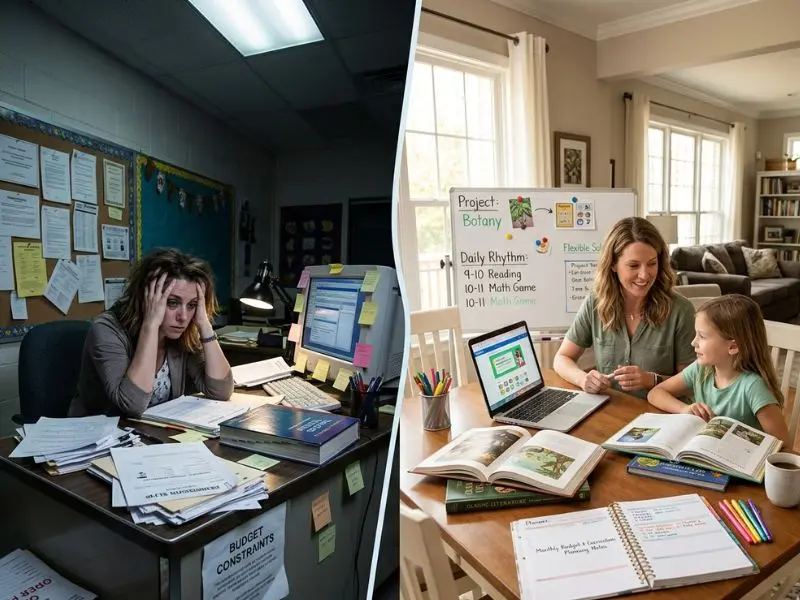
Watching teaching stress grow while bills still need payment can leave many parents and educators feeling stuck. Some wonder if homeschool teaching offers real income, while others fear leaving secure jobs for something uncertain. At this stage, people usually want practical answers, not inflated salary promises.
From reviewing homeschool tutoring markets, online teaching programs, and real educator experiences, one thing stands out clearly. Homeschool teacher income depends heavily on skills, trust, flexibility, and learning demand. Educators who slowly build experience and strong relationships often create better long-term opportunities than those chasing fast income.
- Quick Answer
- Key Takeaways
- What Is Considered a Homeschool Teacher?
- How Much Does a Homeschool Teacher Make in the US?
- How Much Does a Homeschool Teacher Make Per Hour?
- Do Parents Get Paid to Homeschool Their Children?
- Can You Get Paid to Homeschool Someone Else’s Child?
- Factors That Affect Homeschool Teacher Salary
- Highest Paying States for Homeschool Teachers
- Highest Paying Homeschool Teaching Jobs
- How Much Do Private Homeschool Tutors Charge?
- Online Homeschool Teacher Salary
- Homeschool Teacher Salary vs Public School Teacher Salary
- Can You Make a Living as a Homeschool Teacher?
- States That Financially Support Homeschooling
- Ways Homeschool Teachers Earn Money
- Are Homeschool Teachers Self-Employed?
- Do Homeschool Teachers Need a Degree?
- Pros and Cons of Becoming a Homeschool Teacher
- Is Becoming a Homeschool Teacher Worth It?
- Frequently Asked Questions
- Conclusion
Quick Answer
Homeschool teacher income differs greatly across the United States. Private homeschool tutors may earn between $25 and $100 per hour, while online homeschool teachers often earn $40,000 to $70,000 yearly. Parents homeschooling their own children usually do not receive direct salaries, although some states offer education funding programs for approved learning expenses.
Key Takeaways
- Homeschool teacher salaries vary based on the teaching role and experience.
- Most homeschool parents do not receive a direct salary.
- Private homeschool tutors often charge hourly rates.
- Online homeschool teachers may earn full-time salaries.
- ESA and charter programs may help cover homeschool costs in some states.
- Certified teachers usually earn more than beginner homeschool educators.
- Income opportunities include tutoring, co-ops, microschools, and online classes.
What Is Considered a Homeschool Teacher?
The term “homeschool teacher” can mean several different things. This is one reason many salary websites confuse readers.
A homeschool teacher may be:
- A parent teaching their own child
- A private homeschool tutor
- An online homeschool instructor
- A certified teacher working with homeschool families
- A co-op teacher
- A microschool educator
Each role has different income levels and responsibilities.
For example, a parent homeschooling their own child usually does not receive a traditional paycheck. However, a certified teacher teaching homeschool students privately may earn a full-time income.
How Much Does a Homeschool Teacher Make in the US?
Many salary websites estimate homeschool teacher income between $50,000 and $65,000 yearly, although earnings differ greatly because homeschool teaching is not a standardized job category.
Here is a general salary estimate:
| Type of Homeschool Teacher | Average Income |
|---|---|
| Parent homeschooling own child | Usually unpaid |
| Private homeschool tutor | $25–$80 per hour |
| Online homeschool teacher | $40,000–$70,000 yearly |
| Certified private educator | $50,000–$90,000 yearly |
| Co-op teacher | Part-time or seasonal income |
| Microschool teacher | Moderate to high depending on enrollment and program size |
Some experienced homeschool educators earn much more by teaching advanced subjects or running private learning programs.
How Much Does a Homeschool Teacher Make Per Hour?
Hourly pay depends on experience, certification, and subject expertise.
Average Hourly Rates
| Experience Level | Hourly Rate |
|---|---|
| Beginner tutor | $20–$35 |
| Experienced homeschool teacher | $35–$60 |
| Certified teacher | $50–$80 |
| Special education specialist | $60–$100+ |
Teachers who offer:
- SAT prep
- math tutoring
- science instruction
- special education support
often charge higher rates.
Online teaching may also increase flexibility and income opportunities.
Do Parents Get Paid to Homeschool Their Children?
In most states, parents do not receive a direct salary for homeschooling their own children.
However, some states offer programs that may help families financially through:
- Education Savings Accounts (ESA)
- charter homeschool programs
- curriculum reimbursements
- learning stipends
- educational grants
These programs do not work like a traditional paycheck. Instead, they help cover approved educational expenses.
In most cases, ESA funds must be used for approved educational costs and cannot be treated as personal salary income.
The rules are different in every state.
Can You Get Paid to Homeschool Someone Else’s Child?
Yes. Many homeschool educators earn income by teaching students from other families.
This may happen through:
- private tutoring
- homeschool co-ops
- microschools
- learning pods
- online classes
- enrichment programs
Some families hire certified teachers to teach small homeschool groups at home or online. Payment structures vary and may include hourly rates, monthly tuition, or class packages.
Factors That Affect Homeschool Teacher Salary
Several factors influence homeschool teacher income.
Experience
Experienced educators usually earn more because families trust their teaching background.
Certification
Licensed teachers often charge higher rates than non-certified tutors.
Subject Expertise
Advanced subjects like:
- calculus
- chemistry
- foreign languages
- SAT preparation
typically pay more.
Location
Large cities and high-cost states usually have higher tutoring rates.
Online vs In-Person Teaching
Online teachers may reach more students nationwide. In-person teaching sometimes pays more per session.
Special Education Skills
Teachers with ADHD, autism, or learning disability experience are often in high demand.
Homeschool families frequently look for educators with experience in:
- ADHD support
- autism learning strategies
- dyslexia intervention
- advanced math
- science instruction
- SAT or ACT preparation
Teachers with specialized skills may charge higher hourly rates because qualified homeschool educators in these areas are often harder to find.
Highest Paying States for Homeschool Teachers
Homeschool teacher income often changes based on local demand, homeschool laws, and education funding programs.
| State | Estimated Income Potential |
|---|---|
| California | Higher |
| New York | Higher |
| Texas | Moderate to High |
| Florida | Growing homeschool market |
| Arizona | Strong ESA opportunities |
| Utah | Expanding homeschool programs |
| North Carolina | Large homeschool population |
Teachers in areas with strong homeschool communities may find more tutoring and co-op opportunities.
Highest Paying Homeschool Teaching Jobs
Some homeschool education roles pay significantly more than others.
Higher Paying Roles Include
| Job Type | Income Potential |
|---|---|
| Certified homeschool educator | High |
| Online AP instructor | High |
| SAT/ACT homeschool tutor | High |
| Special education homeschool teacher | High |
| Microschool founder | Moderate to high depending on enrollment and program size |
| Curriculum creator | Moderate to high |
Microschools and private learning pods have become more popular in recent years.
How Much Do Private Homeschool Tutors Charge?
Private homeschool tutors usually charge between $25 and $100 per hour depending on:
- experience
- credentials
- location
- subject difficulty
- grade level
Some tutors charge:
- per hour
- per class
- weekly packages
- monthly learning plans
Experienced teachers with strong reviews often increase their rates over time.
Online Homeschool Teacher Salary

Online homeschool teaching has created new income opportunities.
Work-from-home teaching opportunities have expanded rapidly through virtual learning programs and online homeschool platforms. Some educators now teach students across multiple states without leaving home.
This has increased demand for:
- virtual tutors
- online subject teachers
- remote learning coaches
- homeschool enrichment instructors
Flexible online teaching is especially attractive for parents and former classroom teachers.
Teachers may work for:
- virtual academies
- online private schools
- homeschool platforms
- tutoring marketplaces
Average online homeschool teacher salaries often range from $40,000 to $70,000 per year.
Some teachers work:
- full-time
- part-time
- contract-based
- freelance
Flexible schedules attract many homeschool educators.
Homeschool Teacher Salary vs Public School Teacher Salary

Public school teachers usually receive:
- fixed salaries
- benefits
- retirement plans
- health insurance
Homeschool teachers often have:
- flexible income
- independent schedules
- freelance opportunities
- variable pay
Some teachers prefer homeschooling because of flexibility and smaller teaching groups.
Homeschool Teacher vs Public School Teacher: Salary Comparison
This comparison shows why the two income paths are different. Public school teachers usually have more stable pay and benefits, while homeschool teachers may have more flexibility but less predictable income.
| Comparison Point | Homeschool Teacher | Public School Teacher |
|---|---|---|
| Typical Pay Structure | Hourly, contract, class-based, or self-employed income | Fixed yearly salary from a school district |
| Income Stability | Can change based on students, referrals, and demand | Usually more stable during the school year |
| Benefits | Usually limited unless hired by a formal program | Often includes health insurance, retirement, and paid leave |
| Schedule Flexibility | High flexibility, especially for tutors and online teachers | Less flexible because of school calendars and district rules |
| Class Size | Usually one-on-one or small groups | Usually larger classroom groups |
| Income Growth | Can grow through higher rates, more students, or specialized services | Usually grows through district pay scales and years of service |
| Work Location | May work from home, online, in co-ops, or with private families | Usually works in a school building |
| Best For | Educators who want flexibility, independence, and smaller teaching groups | Educators who prefer stable salary, benefits, and structured employment |
Simple takeaway: Public school teaching usually offers more stability, while homeschool teaching may offer more freedom. The better choice depends on whether the educator values steady benefits or flexible income opportunities more.
Can You Make a Living as a Homeschool Teacher?

How Long Does It Take to Build Homeschool Teaching Income?
Many homeschool educators do not start with full-time income right away. Some begin with a few tutoring sessions each week before growing through referrals, local homeschool groups, and parent trust.
| Stage | Typical Focus |
|---|---|
| First 3 months | Finding first students |
| 6–12 months | Building referrals |
| 1–2 years | Increasing rates and specialization |
| Long-term | Stable tutoring, online teaching, or microschool income |
Yes. Some homeschool educators build full-time careers.
However, income usually grows slowly at first.
One common misunderstanding is believing homeschool teaching creates immediate full-time income. In reality, many homeschool educators build income gradually through referrals, tutoring experience, online teaching, and reputation within homeschool communities.
Some teachers begin with:
- one-on-one tutoring
- weekend classes
- homeschool co-ops
- online instruction
Over time, these smaller opportunities may grow into larger teaching businesses or microschool programs.
Many parents worry about replacing stable income after leaving traditional schools or full-time jobs. In reality, homeschool teaching income often grows gradually through tutoring, referrals, and specialized services rather than instant full-time earnings.
Many successful homeschool teachers combine:
- tutoring
- online classes
- co-op teaching
- curriculum sales
- microschool programs
Building reputation and parent trust is very important.
Teachers with:
- strong communication
- organization
- subject expertise
- homeschool experience
often earn more over time.
States That Financially Support Homeschooling
Some states offer financial support programs for homeschool families.
Examples may include:
- Arizona ESA programs
- Florida scholarship programs
- Arkansas education funding programs
- Utah scholarship options
These programs can help pay for:
- curriculum
- tutoring
- online classes
- educational materials
Families should always review current state laws because programs change regularly.
Ways Homeschool Teachers Earn Money

Homeschool educators use many income methods today.
Many homeschool parents search for flexible ways to earn income while continuing to teach their children at home. Because homeschool schedules are often flexible, some parents combine homeschooling with:
- online tutoring
- freelance teaching
- curriculum creation
- educational blogging
- printable resource sales
This flexibility is one reason many families explore homeschool-related income opportunities.
Common Income Sources
- Private tutoring
- Online teaching
- Homeschool co-ops
- Learning pods
- Microschools
- Curriculum creation
- Educational consulting
- YouTube channels
- Blogging
- Printable resources
Some educators combine several small income streams into a full-time business.
Are Homeschool Teachers Self-Employed?
Many homeschool teachers work as independent contractors or self-employed educators rather than traditional employees.
This may include:
- freelance tutoring
- online teaching
- microschool programs
- private learning pods
Income may change from month to month depending on the number of students and teaching contracts. Some homeschool educators also manage their own taxes, scheduling, and business expenses.
Do Homeschool Teachers Need a Degree?
Requirements vary depending on the teaching role.
Parents homeschooling their own children usually do not need a teaching degree in most states.
However, private homeschool teachers and online instructors may benefit from:
- teaching licenses
- college degrees
- certifications
- tutoring experience
Families often prefer experienced educators with proven teaching skills.
Pros and Cons of Becoming a Homeschool Teacher
| Pros | Cons |
|---|---|
| Flexible schedule | Income may be inconsistent |
| Smaller teaching groups | Fewer employee benefits |
| Personalized teaching | Requires self-promotion |
| Work-from-home opportunities | Income growth may take time |
| Strong family involvement | Limited job stability in some roles |
Many educators choose homeschool teaching because they enjoy flexible learning environments and closer student relationships.
Is Becoming a Homeschool Teacher Worth It?
Teaching from home appeals to many educators who feel overwhelmed in traditional classrooms. Large class sizes, long work hours, and limited flexibility push some teachers to look for smaller and more personalized learning environments.
Homeschool teaching often attracts educators who want:
- flexible schedules
- smaller learning groups
- work-from-home opportunities
- stronger student relationships
- more control over teaching methods
Some former teachers start with part-time tutoring before building full homeschool teaching businesses.
For many educators, homeschooling offers:
- flexible schedules
- smaller class sizes
- stronger family involvement
- personalized learning
However, income stability can be unpredictable compared to traditional teaching jobs.
Success usually depends on:
- experience
- networking
- reputation
- specialization
- state demand
For teachers who enjoy individualized education, homeschool teaching can become both financially and personally rewarding.
Frequently Asked Questions
Do homeschool teachers get paid by the government?
Usually no. Most homeschool parents do not receive direct salaries from the government. Some states offer ESA or scholarship programs that help with educational expenses.
Can a certified teacher make money homeschooling?
Yes. Certified teachers often work as private tutors, online instructors, or microschool educators.
Do homeschool teachers pay taxes?
Self-employed homeschool teachers usually report their tutoring or teaching income for tax purposes. Tax rules vary depending on the teaching arrangement and location.
Conclusion
Financial questions are one of the biggest concerns families face when exploring homeschooling. From studying homeschool programs and educator income models, one reality stands out clearly. Homeschool teaching income is rarely simple or fixed, but experienced educators who build trust, specialize in valuable skills, and understand homeschool needs often create strong long-term opportunities.