 Skip to content
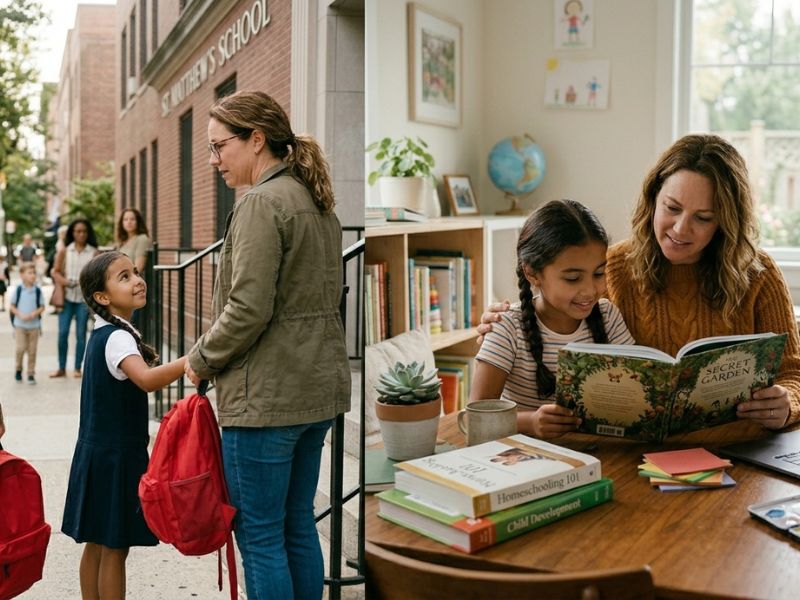
I still remember the moment I pulled my child out of school. It felt right, but also heavy. Questions kept coming into my mind. Did I do this correctly? What if I miss something important? That mix of relief and fear is something many parents go through, and it can feel overwhelming at first.
Understanding what happens after you withdraw your child is what helped me move forward with confidence. Over time, I learned that this stage is not about being perfect. It is about taking the next right step. With the right information and a calm approach, you can handle this transition smoothly.
- What Happens Immediately After You Withdraw Your Child
- Your Legal Responsibility Starts Now
- Does the School Have to Approve Your Withdrawal?
- What Happens If You Don’t Start Homeschooling
- What You Must Do Right After Withdrawal
- Your First 7 Days After Withdrawal
- What If the School Contacts You After Withdrawal?
- What Documents Should You Keep After Withdrawal?
- How Withdrawal Affects Your Child’s Records
- What Happens to Special Education Services or IEPs?
- Can Your Child Go Back to School Later?
- Avoiding Truancy Issues
- Common Mistakes to Avoid
- Challenges After Withdrawal
- What Changes for Your Child Emotionally?
- Can You Take a Break After Withdrawal?
- Tips for a Smooth Transition
- What Parents Don’t Expect After Withdrawal
- FAQs
- Conclusion
What Happens Immediately After You Withdraw Your Child
Once the school processes the withdrawal, your child is no longer listed as an active student. Attendance tracking from the school stops.
At this point, your role changes completely.
Before: the school was responsible
After: you are responsible
This shift is important to understand. There should be no delay in continuing your child’s education.
Your Legal Responsibility Starts Now

After withdrawal, you are fully responsible for your child’s education. Every U.S. state has compulsory education laws, and these laws still apply to your child.
This means:
- Your child must continue learning
- You must follow your state homeschool rules
- You may need to submit required documents
Some states require:
- Notice of Intent (NOI)
- Record keeping
- Progress tracking
This is where many parents feel unsure. Homeschool requirements vary widely across the United States, so check your own state’s rules before moving forward. You can also review this overview of homeschool policies across the U.S. to understand how requirements differ from state to state.
Does the School Have to Approve Your Withdrawal?
In most cases, you do not need school “permission” to withdraw your child. You only need to notify the school and follow your state’s process.
Once your withdrawal is submitted correctly, the school processes it and updates records.
However, rules can vary by state. Some states require extra steps after withdrawal. Always confirm your local requirements so you do not miss anything important.
What Happens If You Don’t Start Homeschooling
This is one of the biggest concerns parents have.
If you withdraw your child but do not continue education, your child may be marked as truant.
This can lead to:
- Warning notices
- School follow-ups
- Possible legal issues
This is where many parents make mistakes. The solution is simple:
Do not leave a gap between withdrawal and your next step.
What You Must Do Right After Withdrawal
Here is a simple checklist to guide you:
| Step | Action | Why It Matters |
|---|---|---|
| 1 | Confirm withdrawal with the school | Ensures your child is officially removed and avoids attendance issues |
| 2 | Request academic records | Helps with future school placement and keeps history safe |
| 3 | Check your state homeschool laws | Keeps you legally compliant and avoids problems |
| 4 | Submit Notice of Intent (if required) | Required in some states to begin homeschooling legally |
| 5 | Choose a homeschool curriculum | Gives structure and direction to your child’s learning |
| 6 | Begin your homeschool transition according to state requirements | Helps maintain compliance with compulsory education requirements |
If you follow this checklist, you will avoid most problems and feel more in control.
Your First 7 Days After Withdrawal
The first week does not need to be complicated. Focus on the legal and practical basics before worrying about creating the perfect homeschool routine.
Day 1: Keep proof of withdrawal and confirm the effective withdrawal date.
Days 1–2: Check your state’s homeschool requirements and complete any notice or paperwork that applies to your family.
Days 2–3: Request your child’s academic, attendance, health, and special education records.
Days 3–5: Choose basic learning materials or a curriculum and decide what your child will learn first.
Days 5–7: Create a simple routine and organize a folder for homeschool records.
Your exact timeline may differ because homeschool requirements vary by state. The goal is to stay compliant while giving your family time to adjust.
What If the School Contacts You After Withdrawal?
Some parents worry about this, and it’s completely normal.
Sometimes schools may contact you if they need confirmation or documents.
If this happens:
- Keep a copy of your withdrawal letter
- Share proof if needed
- Respond calmly and clearly
As long as you followed your state rules, you are in a safe position.
What Documents Should You Keep After Withdrawal?

Staying organized will give you confidence and peace of mind.
Make sure you keep:
- Copy of your withdrawal letter
- Email or written confirmation
- Certified mail receipt (if used)
- Attendance records
- Samples of your child’s work
- Curriculum details
These records protect you and help if questions come up later.
How Withdrawal Affects Your Child’s Records
Your child’s previous school records can still be important after withdrawal. Request copies for your own homeschool files, especially if your child may return to traditional school later.
Depending on what the school maintains, useful records may include:
- Report cards or transcripts
- Attendance records
- Standardized test results
- Course or credit information
- Immunization and health records
- IEP or 504 Plan documents, if applicable
Keep these records together with your homeschool documentation. They can make future grade placement, credit evaluation, transfers, or re-enrollment much easier.
What Happens to Special Education Services or IEPs?
If your child had an IEP or special education services, things may change after withdrawal.
Public school services usually stop once your child is no longer enrolled. Some areas may still offer limited support.
If this applies to you, check your local district rules so you understand your options.
Can Your Child Go Back to School Later?
Yes. Withdrawing your child now does not mean they can never return to public or private school.
If your child re-enrolls later, the school may review homeschool records, completed coursework, test results, or other evidence of learning. Depending on the school, district, grade level, and state rules, placement testing or credit evaluation may also be required.
This can be especially important for middle and high school students because individual course credits may affect grade placement and graduation planning.
Keeping organized records from the beginning can make a future return to school much easier.
Avoiding Truancy Issues
To stay safe and avoid stress:
- Start homeschooling without delay
- Follow your state requirements
- Keep attendance records
- Maintain proof of learning
Even flexible homeschooling still needs structure.
Common Mistakes to Avoid
This is where many parents go wrong.
Avoid these mistakes:
- Waiting too long after withdrawal
- Not checking state laws
- Skipping record keeping
- Having no clear plan
- Thinking approval is required
You can avoid all of these by taking simple, early steps.
Challenges After Withdrawal

This stage can feel overwhelming, especially in the beginning.
You may feel:
- Confused about what to do next
- Pressured to make the right choices
- Unsure if you made the right decision
This is normal. Most parents feel this way at first, and it gets easier with time.
What Changes for Your Child Emotionally?
Your child is also adjusting to a big change.
They may feel:
- Excited
- Nervous
- Relieved
Give them time and space to adjust. A slow and flexible start helps them feel safe and comfortable.
Can You Take a Break After Withdrawal?
Some families use a short adjustment period called “deschooling” after leaving traditional school. This can give a child time to decompress and adjust before settling into a new homeschool routine.
However, deschooling does not mean ignoring your state’s education requirements. Withdrawal, homeschool compliance, and formal lessons are separate issues. Check your state rules, complete any required paperwork, and keep appropriate records even if you choose a gentler start.
A short transition period can be helpful, but it should always fit within your state’s homeschool requirements.
Tips for a Smooth Transition
To make things easier:
- Start simple
- Focus on consistency, not perfection
- Create a flexible routine
- Follow your child’s pace
- Keep learning enjoyable
What Parents Don’t Expect After Withdrawal
Many parents expect everything to feel clear right away. But in reality, it takes time.
You may feel both freedom and pressure at the same time.
With patience and consistency, you will find your rhythm and build a system that works for your child.
FAQs
What happens after you withdraw your child from school?
Your child is removed from school records, and you become responsible for their education.
Do you have to start homeschooling right away?
You should make sure your child remains in compliance with compulsory education requirements after withdrawal. The exact homeschool start date, notice requirements, and deadlines vary by state, so check your state’s rules.
Can you get in trouble after withdrawing your child?
Yes, if you do not follow state education laws or delay your next step.
Do you need school permission to withdraw your child?
No, in most cases you only need to notify the school.
Conclusion
What truly changed for me was gaining clarity step by step. Once you understand what happens after you withdraw your child, the stress begins to ease. You do not need to figure everything out at once. Stay consistent, follow simple steps, and trust your progress as you move forward.