 Skip to content
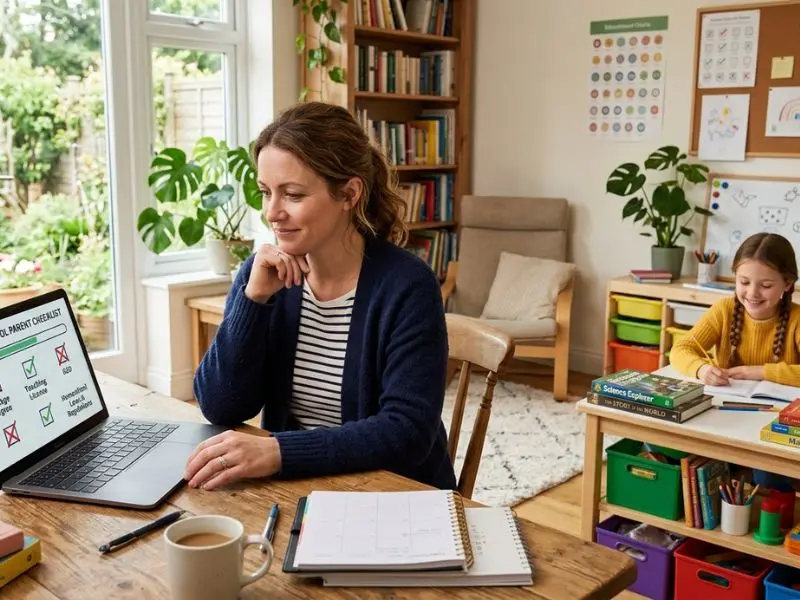
Questions about qualifications stop many parents before they seriously consider homeschooling. A child may be struggling in school, facing bullying, or losing interest in learning, yet parents often hesitate because they believe a college degree is required.
Throughout my research homeschool laws, state requirements, and concerns shared by homeschooling families, I found that educational credentials are rarely the biggest obstacle. In most states, understanding legal requirements and choosing the right learning resources matters far more than holding a teaching degree.
- Quick Answer
- Why Many Parents Think They Need a Degree to Homeschool
- Why Parents Consider Homeschooling in the First Place
- Key Takeaways
- Do You Need a Teaching Degree?
- Do You Need a Teaching Certificate?
- What Qualifications Do You Need to Homeschool Your Child?
- What Are the Legal Requirements for Homeschooling?
- Homeschool Laws Vary by State
- Do You Need a Degree to Homeschool in Every State?
- Homeschooling Qualifications by State
- What States Require a Diploma or GED?
- Which States Require Parent Qualifications?
- State-Specific Requirements
- High School Diploma or GED
- Can You Homeschool Without Going to College?
- Why a College Degree Is Not the Same as Teaching Ability
- Can Grandparents or Other Family Members Help With Homeschooling?
- Common Reasons Parents Delay Homeschooling
- What If You Don't Feel Qualified?
- Will My Child Fall Behind If I Do Not Have a Degree?
- Common Myths About Homeschool Qualifications
- What Happens If You Cannot Teach Certain Subjects?
- Resources for Homeschool Parents
- What Curriculum Should You Use?
- Homeschool Parent vs Public School Teacher Requirements
- Why Most States Do Not Require Teaching Degrees
- Signs You May Be More Qualified Than You Think
- Can Homeschoolers Go to College?
- Key Takeaways Recap
- Conclusion
Quick Answer
No. Most states do not require parents to have a college degree, teaching degree, or teaching certificate to homeschool.
Some states may require a high school diploma or GED, but college degrees are rarely required. In most cases, following your state’s homeschool laws is far more important than having formal teaching credentials.
Why Many Parents Think They Need a Degree to Homeschool
Many families assume homeschooling follows the same rules as public school teaching.
Because classroom teachers often need college degrees, certifications, and state licenses, parents naturally believe they must meet similar requirements. This misunderstanding causes some families to dismiss homeschooling before they even research the actual laws.
In reality, homeschooling and public school teaching are very different. Most states focus on educational compliance, record keeping, and attendance requirements rather than requiring parents to earn teaching credentials.
Why Parents Consider Homeschooling in the First Place
Many parents begin researching homeschooling after something stops working in their child’s current school environment.
Some families face bullying concerns. Others notice academic struggles, anxiety, lack of flexibility, or learning differences that are not being addressed.
At this stage, parents often assume they are not qualified to teach at home. In reality, understanding your state’s homeschool laws is usually much more important than having a teaching degree.
For many families, homeschooling starts with a desire to find a learning approach that better fits their child’s needs.
Key Takeaways
- Most states do not require a college degree to homeschool.
- Teaching certificates are usually not required.
- Some states require parents to have a high school diploma or GED.
- Homeschool laws vary by state.
- Parents can use curriculum programs, tutors, online classes, and co-ops.
- You do not need to be an expert in every subject to homeschool successfully.
- Many homeschooled students attend college and pursue successful careers.
- Understanding your state’s homeschool requirements matters more than having a degree.
Do You Need a Teaching Degree?
No. A teaching degree is not required for homeschooling in most states.
Public school teachers are often required to complete teacher preparation programs, earn certifications, and maintain state licenses.
Homeschool parents typically do not need these credentials.
Instead, parents act as learning guides and educational decision-makers. They can choose curriculum, monitor progress, and adapt instruction to fit their child’s needs.
This flexibility is one reason many families choose homeschooling.
Do You Need a Teaching Certificate?
No. Most states do not require a teaching certificate for homeschooling.
This is one of the biggest misconceptions about homeschooling.
Parents often assume they need official teaching credentials before they can teach their own children. However, homeschool laws generally recognize parents as the primary educators of their children.
In most cases, parents can successfully homeschool using:
- Complete curriculum programs
- Online learning platforms
- Video-based courses
- Homeschool co-ops
- Tutors
- Community learning resources
What Qualifications Do You Need to Homeschool Your Child?
The qualifications needed for homeschooling depend on your state.
Many states have few or no parent qualification requirements. Others require parents to meet basic educational standards.
Possible requirements may include:
- High school diploma
- GED
- Record-keeping responsibilities
- Compliance with homeschool regulations
Before beginning homeschooling, always review your state’s current homeschool laws.
What Are the Legal Requirements for Homeschooling?
Homeschool requirements vary across the country.
Some states have very few regulations, while others require more documentation and oversight.
Common homeschool requirements include:
Notice of Intent
Some states require parents to notify the local school district before homeschooling.
Attendance Requirements
Many states require a minimum number of instructional days or learning hours.
Record Keeping
Parents may need to maintain attendance records, portfolios, or transcripts.
Assessments
Certain states require standardized testing, evaluations, or annual assessments.
Graduation Requirements
Families homeschooling through high school should understand graduation expectations and transcript requirements.
Homeschool Laws Vary by State
One of the most important things parents should understand is that homeschool laws differ from state to state.
A requirement in one state may not exist in another.
States are often grouped into three categories based on regulation levels.
Low-Regulation States
Examples include:
- Texas
- Alaska
- Idaho
These states generally give families significant flexibility and fewer reporting requirements.
Moderate-Regulation States
Examples include:
- Florida
- Virginia
These states often require notices, record keeping, and periodic evaluations.
High-Regulation States
Examples include:
- New York
- Pennsylvania
- Massachusetts
These states may require additional paperwork, assessments, portfolios, or approval processes.
Because homeschool laws can change, families should always review the most current requirements for their state before starting their homeschool journey.
Do You Need a Degree to Homeschool in Every State?

No. There is no state that specifically requires parents to have a college degree to homeschool their children.
This is one of the biggest misconceptions about homeschooling.
Many parents assume they need a bachelor’s degree because public school teachers usually have one. However, homeschool laws are different. Most states allow parents to homeschool without a college degree as long as they follow state requirements.
That said, some states have basic qualification rules. These rules often involve a high school diploma, GED, or equivalent education rather than a college degree.
The most important step is checking the homeschool laws in your state before getting started.
Homeschooling Qualifications by State
Homeschool qualifications vary across the United States.
Some states place very few requirements on parents, while others require specific documentation or educational qualifications.
For example, a family in Texas may face different requirements than a family in Pennsylvania or New York.
Because laws differ so much, parents should avoid assuming that advice from another state applies to them.
Before starting homeschooling, research:
- Parent qualification requirements
- Notification requirements
- Record-keeping expectations
- Testing or evaluation rules
- Graduation requirements
Understanding these rules early can prevent confusion later.
What States Require a Diploma or GED?
While most states do not require a college degree, some states require homeschooling parents to have a high school diploma, GED, or equivalent qualification.
Examples often include states such as:
- Pennsylvania
- North Carolina
- Georgia
Requirements can change over time, so families should always verify current regulations before beginning homeschooling.
Even in states that require a diploma or GED, parents are usually not required to earn a teaching degree or teaching certificate.
Which States Require Parent Qualifications?

Most states allow parents to homeschool without advanced educational credentials.
However, a small number of states require parents to meet minimum educational qualifications.
These qualifications are generally limited to:
- High school diploma
- GED
- Equivalent educational credentials
Very few states require anything beyond these basic qualifications.
This means that parents who never attended college can often homeschool legally and successfully.
State-Specific Requirements
Every homeschool family should understand the requirements that apply to their state.
Common state-specific requirements may include:
Notification Requirements
Some states require families to file a notice of intent before homeschooling.
Assessment Requirements
Certain states require annual testing or evaluations.
Record-Keeping Requirements
Parents may need to maintain attendance records, work samples, or portfolios.
Graduation Requirements
Families homeschooling high school students should understand credit requirements and transcript expectations.
Parent Qualification Requirements
Some states require a diploma, GED, or other basic educational qualification.
Because these requirements vary, state-specific research is one of the most important parts of starting homeschooling.
High School Diploma or GED
Many parents searching this topic are not worried about a college degree. They are worried because they do not have one.
In reality, states that have parent qualification requirements usually focus on a high school diploma or GED rather than a college education.
This is encouraging for many families.
A parent does not need to complete a teaching program or earn an education degree to become their child’s homeschool educator in most states.
The goal is to provide an education that meets state requirements and supports the child’s learning needs.
Can You Homeschool Without Going to College?
Yes. Many homeschool parents have never attended college.
Modern homeschooling offers far more support than many people realize.
Parents can choose from:
- Complete homeschool curriculum programs
- Online classes
- Educational apps
- Video-based courses
- Tutors
- Homeschool co-ops
- Community learning groups
Because of these resources, parents do not need to personally master every subject.
Instead, they guide their child’s education and connect them with the right learning opportunities.
Many successful homeschool graduates have been taught by parents who never earned college degrees.
Why a College Degree Is Not the Same as Teaching Ability
Some parents assume that having a college degree automatically makes someone a better teacher.
Homeschooling does not work that way.
A degree may provide knowledge in a specific field, but successful homeschooling often depends on different skills, including:
- Consistency
- Patience
- Organization
- Communication
- Willingness to learn
Many parents discover that understanding their child’s learning style is more valuable than holding a college diploma.
This is one reason homeschool laws in most states do not require advanced educational credentials.
Can Grandparents or Other Family Members Help With Homeschooling?
Yes. Many homeschool families receive help from grandparents, relatives, tutors, and other trusted adults.
For example:
- A grandparent may help with reading.
- A tutor may teach algebra.
- A family friend may assist with science.
- A co-op instructor may teach group classes.
This flexibility allows families to build a learning environment that fits their child’s needs.
However, parents should always review their state’s homeschool regulations when using outside instruction.
Common Reasons Parents Delay Homeschooling
Many families spend months researching homeschooling before taking action.
Some of the most common reasons include:
- Fear of not being qualified
- Lack of confidence
- Concerns about legal requirements
- Worries about socialization
- Questions about college admissions
- Concerns about teaching difficult subjects
The good news is that most of these concerns can be addressed through planning, support, and understanding homeschool laws.
For many families, the biggest obstacle is not a lack of qualifications. It is a lack of confidence.
Once parents understand the legal requirements and available resources, homeschooling often feels much more manageable.
What If You Don’t Feel Qualified?

Feeling unqualified is one of the most common concerns among new homeschool parents.
Many parents worry because they are not teachers. Others feel nervous because they struggled in certain subjects when they were in school.
These concerns are normal.
However, successful homeschooling is not about knowing everything. It is about helping your child learn, staying involved, and finding resources when needed.
Many experienced homeschool parents started with the same fears. Over time, they gained confidence by learning alongside their children and building a routine that worked for their family.
The ability to support your child’s education often matters more than having formal teaching credentials.
Will My Child Fall Behind If I Do Not Have a Degree?
Many parents worry that homeschooling without a degree will negatively affect their child’s education.
This fear is understandable, especially for families leaving traditional school for the first time.
However, a parent’s success as a homeschool educator is not determined by a college diploma alone.
Several factors have a greater impact on learning, including:
- Consistent instruction
- Quality curriculum
- Student engagement
- Access to educational resources
- Individualized support
Homeschool families regularly use online classes, tutors, educational programs, libraries, and community activities to support learning.
The goal is not to know everything yourself. The goal is to help your child continue learning and making progress.
Common Myths About Homeschool Qualifications
Many parents delay homeschooling because they believe myths that are simply not true.
Understanding the facts can help families make informed decisions.
Myth #1: You Need a Teaching Degree
Most states do not require a teaching degree to homeschool.
Parents can legally homeschool in many states without earning an education degree or completing teacher training programs.
Myth #2: You Must Know Every Subject
No parent knows every subject perfectly.
Homeschool families often use curriculum providers, online courses, tutors, co-ops, and educational programs to help teach specialized topics.
Myth #3: Homeschooled Students Cannot Go to College
Homeschooled students regularly attend colleges, universities, trade schools, and career programs throughout the United States.
Many colleges actively welcome homeschool applicants.
Myth #4: Only Certified Teachers Can Educate Children
Homeschool laws generally recognize parents as the primary educators of their children.
Parents do not need professional certification to support their child’s learning in most states.
What Happens If You Cannot Teach Certain Subjects?
Parents feel confident teaching reading, history, or elementary math. However, subjects such as chemistry, algebra, physics, or foreign languages can feel intimidating.
The good news is that homeschooling does not require parents to teach everything themselves.
Families often use outside resources when a subject becomes challenging.
Online Courses
Online learning platforms provide instruction from qualified teachers and subject experts.
Students can learn independently while parents monitor progress.
Tutors
Tutors can provide one-on-one support in specific subjects.
Many homeschool families use tutors for advanced math, science, writing, or test preparation.
Homeschool Co-ops
Homeschool co-ops allow families to learn together.
Parents often share teaching responsibilities based on their strengths and experience.
Dual Enrollment
Many high school homeschoolers take college courses while completing their homeschool education.
Dual enrollment can provide access to advanced instruction and college credit at the same time.
Resources for Homeschool Parents
Today’s homeschool families have access to more support than ever before.
Parents do not have to figure everything out alone.
Helpful resources include:
Curriculum Providers
Complete curriculum programs provide lesson plans, schedules, assignments, and assessments.
Online Learning Platforms
Many online programs offer structured courses taught by experienced instructors.
Local Homeschool Groups
Support groups can provide encouragement, advice, field trips, and social opportunities.
Libraries
Libraries offer books, educational programs, research tools, and learning activities.
Tutors and Specialists
Families can seek additional support whenever a student needs help in a specific subject.
Using these resources can make homeschooling easier and more effective.
What Curriculum Should You Use?
One of the biggest questions new homeschool parents ask is which curriculum to choose.
There is no single best homeschool curriculum for every family.
The right choice depends on several factors, including:
- Your child’s age
- Learning style
- Educational goals
- Budget
- Teaching preferences
Some families prefer structured programs with daily lesson plans. Others choose flexible approaches that allow students to learn at their own pace.
When selecting curriculum, focus on finding a program that fits your child’s needs rather than following what works for another family.
Homeschool Parent vs Public School Teacher Requirements

Many parents compare themselves to public school teachers and immediately feel unqualified.
However, the requirements for public school teaching and homeschooling are very different.
| Requirement | Public School Teacher | Homeschool Parent |
|---|---|---|
| Teaching Degree | Usually Required | Usually Not Required |
| Teaching License | Required | Usually Not Required |
| State Certification | Required | Usually Not Required |
| Curriculum Choice | Limited | Flexible |
| Classroom Size | Large Groups | Individualized Learning |
This comparison helps explain why most homeschool laws do not require parents to earn teaching credentials.
Homeschooling focuses on individualized education rather than managing large classrooms.
Why Most States Do Not Require Teaching Degrees
You may wonder why states allow homeschooling without requiring teaching degrees.
The answer is simple.
Homeschooling is based on the idea that parents have the right and responsibility to direct their child’s education.
Most states recognize that learning can happen in many different ways.
They also understand that modern homeschool families have access to:
- Curriculum providers
- Online courses
- Tutors
- Educational technology
- Community resources
Because of these resources, states generally focus on educational compliance and student progress rather than parent credentials.
This approach gives families the flexibility to create an education that fits their child’s unique needs.
Signs You May Be More Qualified Than You Think
Many parents underestimate their ability to homeschool.
You may already have skills that contribute to successful homeschooling, including:
- Patience
- Organization
- Communication
- Problem-solving
- Commitment to your child’s success
You do not need to be an expert in every subject.
You simply need to be willing to guide learning, seek help when needed, and stay involved in your child’s education.
For many families, these qualities matter far more than a college degree.
Can Homeschoolers Go to College?
Yes. Homeschooled students regularly attend colleges and universities across the United States.
Many colleges actively accept homeschool applicants and have admissions processes designed specifically for homeschool graduates.
Depending on the institution, admissions offices may review:
- Homeschool transcripts
- Portfolios
- Standardized test scores
- Dual enrollment credits
- Recommendation letters
- Extracurricular activities
Homeschooled students have been accepted into community colleges, state universities, private colleges, and highly competitive institutions.
A parent’s educational background does not automatically determine whether a homeschooled student can attend college.
Key Takeaways Recap
Before you leave, remember these important points:
- Most states do not require a college degree to homeschool.
- Teaching certificates are usually not required.
- Some states require a high school diploma or GED.
- Homeschool laws vary by state.
- Parents do not need to know every subject.
- Tutors, co-ops, and online programs can help with difficult subjects.
- Homeschooled students can socialize and participate in community activities.
- Homeschool graduates regularly attend college.
- Understanding your state’s homeschool requirements matters more than having a degree.
Conclusion
One detail became clear while researching homeschool laws and parent requirements across different states: a college degree is rarely what determines whether a family can homeschool. Families who succeed usually focus on understanding the law, staying involved in daily learning, and using available resources effectively. For parents asking, do we need a degree to homeschool? the answer is usually no. In most cases, preparation, commitment, and informed decision-making matter far more than formal credentials.