 Skip to content
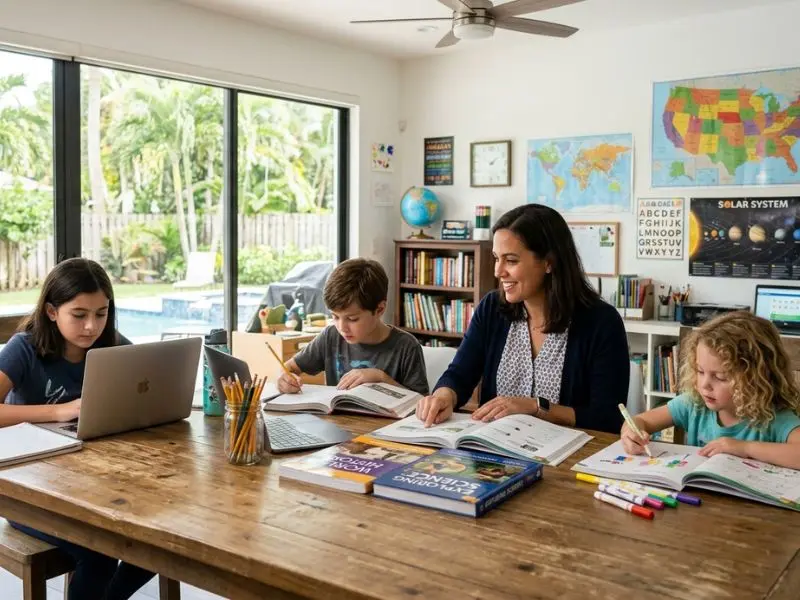
Leaving traditional teaching or starting a new education career can feel risky. Many people searching how to become a homeschool teacher in Florida are already overwhelmed by burnout, low flexibility, or confusion about Florida homeschool laws. Others worry they are not qualified enough to teach homeschool students professionally.
After researching Florida homeschool regulations, studying homeschool communities, and analyzing how families hire tutors, co-op teachers, and online instructors, one pattern appears repeatedly. Most successful homeschool teachers do not start with perfect systems. They succeed because they understand the legal structure, build trust with families, and create flexible learning environments that support students more personally.
- Key Takeaways
- Quick Start Roadmap
- What Is a Homeschool Teacher?
- Why Many Teachers Are Leaving Traditional Schools for Homeschool Education
- Is Homeschooling Legal in Florida?
- Do You Need a Teaching Certificate in Florida?
- Can You Teach Other Homeschool Students Legally in Florida?
- Important Beginner Warning
- Homeschool Teacher vs Private Tutor in Florida
- Different Ways to Become a Homeschool Teacher in Florida
- Step-by-Step: How to Become a Homeschool Teacher in Florida
- How to Create a Homeschool Curriculum
- Best Subjects to Teach Homeschool Students
- How to Find Homeschool Students in Florida
- Can Homeschool Teachers Get Paid in Florida?
- How Much Do Homeschool Teachers Make?
- What Is a Homeschool Pod or Microschool?
- Can You Teach in a Homeschool Co-op?
- Can Homeschool Teachers Become Evaluators in Florida?
- How to Become an Online Homeschool Teacher
- Florida Homeschool Laws You Should Know
- What Florida Does Not Require
- Common Mistakes New Homeschool Teachers Make
- FAQS
- Important Legal Note
- Pros and Cons of Becoming a Homeschool Teacher in Florida
- Conclusion
Key Takeaways
- Parents in Florida can homeschool their own children without a teaching certificate.
- Private tutors working under Florida’s tutor law must hold a valid Florida teaching certificate.
- Homeschool teachers can work through tutoring, co-ops, pods, online classes, or microschools.
- Florida homeschool laws require record keeping and annual evaluations.
- Many homeschool teachers earn money through tutoring or online teaching.
- Homeschool teaching offers flexible schedules and personalized learning.
- Building trust with homeschool families is important for success.
Quick Start Roadmap
If you want a simple path, start with these basic steps:
- Learn Florida homeschool laws.
- Decide your teaching path.
- Pick subjects or grade levels.
- Build teaching experience.
- Connect with homeschool communities.
- Start tutoring or teaching students.
- Grow through referrals and online teaching.

What Is a Homeschool Teacher?
A homeschool teacher is someone who teaches students outside a traditional public or private school setting.
In Florida, this can include:
- Parents teaching their own children
- Certified private tutors
- Online homeschool teachers
- Co-op teachers
- Microschool instructors
- Subject tutors for homeschool students
Some homeschool teachers work full time, while others teach only a few hours each week.
Why Many Teachers Are Leaving Traditional Schools for Homeschool Education
Many people searching how to become a homeschool teacher in Florida are already working in traditional education settings. Some feel burned out from large classrooms, testing pressure, long hours, and limited flexibility.
Homeschool teaching often attracts former teachers because it allows:
- smaller learning groups,
- flexible schedules,
- more personalized teaching,
- and stronger student relationships.
Some educators also move into homeschool teaching because they want to work from home or create a healthier work-life balance.
Is Homeschooling Legal in Florida?
Yes. Homeschooling is fully legal in Florida.
Florida allows parents to educate children at home under the Home Education Program law. Families must follow state rules such as keeping records and completing yearly evaluations.
Many people confuse homeschooling with private tutoring. These are different under Florida law.
Parents can homeschool their own children without being certified teachers. However, certified teachers may also work as private tutors under a different legal option.
Do You Need a Teaching Certificate in Florida?

This is one of the biggest questions people ask.
The answer depends on how you plan to teach homeschool students.
| Situation | Teaching Certificate Needed? |
|---|---|
| Parent homeschooling own child | No |
| Teaching a homeschool co-op class | Usually No |
| Online homeschool tutoring | Usually No |
| Certified private tutor option | Yes |
| Full-time private tutoring under Florida law | Yes |
Many homeschool tutors in Florida work independently without being part of the state’s certified tutor option. However, if you officially operate under Florida’s private tutor law, you must hold a valid Florida teaching certificate.
Private Tutor Option in Florida
Under Florida law, certified private tutors may teach students outside traditional schools. The tutor must hold a valid Florida teaching certificate and teach the required instructional hours for the grade level.
Can You Teach Other Homeschool Students Legally in Florida?
Yes, but the legal setup matters.
In Florida, parents can homeschool their own children under the Home Education Program without needing a teaching certificate. However, teaching children who are not your own can fall under different legal rules depending on how the instruction is structured.
For example:
- occasional tutoring is usually treated differently,
- homeschool co-op teaching may have flexible rules,
- and full-time private tutoring may require certification.
Under Florida Statute 1002.41, certified private tutors must hold a valid Florida teaching certificate and teach the required instructional hours.
Many new homeschool teachers worry about accidentally violating homeschool laws. This is why understanding the difference between tutoring, co-op teaching, and operating as a certified private tutor is very important before starting.
Important Beginner Warning
Many beginners assume homeschooling laws work the same as traditional tutoring laws. However, Florida distinguishes between parent-led homeschooling, occasional tutoring, co-op teaching, and certified private tutor programs.
Understanding these differences before accepting students can help avoid legal confusion later.
Homeschool Teacher vs Private Tutor in Florida
| Feature | Homeschool Teacher | Private Tutor |
|---|---|---|
| Certification Needed | Usually No | Yes under Florida tutor law |
| Can Teach Own Child | Yes | Yes |
| Can Teach Groups | Sometimes | Yes |
| Legal Structure | Flexible | State-defined |
| Common Setup | Co-ops, pods, online classes | Certified tutor option |
Different Ways to Become a Homeschool Teacher in Florida
There are several ways to teach homeschool students in Florida.
Parent Homeschool Teacher
Many parents teach their own children at home. This is the most common type of homeschooling.
Homeschool Tutor
Some teachers help homeschool students with specific subjects like math, science, or writing.
Homeschool Co-op Teacher
Co-ops are groups where homeschool families learn together. Teachers may lead classes weekly or part time.
Online Homeschool Teacher
Online homeschool teachers teach through Zoom, recorded lessons, or digital learning platforms.
Microschool or Pod Teacher
Small homeschool groups called pods or microschools have become more popular in recent years.
Step-by-Step: How to Become a Homeschool Teacher in Florida
Step 1: Learn Florida Homeschool Laws
Before teaching homeschool students, understand Florida homeschool rules.
Learn about:
- Notice of Intent requirements,
- Home Education Program rules,
- homeschool portfolios,
- annual educational evaluations,
- attendance expectations,
- and homeschool legal options.
This helps you avoid confusion later.
Step 2: Decide What Type of Homeschool Teacher You Want to Become
Choose your teaching path.
Examples include:
- tutoring,
- online teaching,
- co-op teaching,
- microschool teaching,
- or parent homeschooling.
Your path affects whether certification may be needed.
Many former public school teachers move into homeschool teaching because they want smaller learning environments and more flexibility.
Homeschool Teaching Jobs Florida Families Often Need
Florida homeschool families commonly look for help in:
- math tutoring,
- science instruction,
- SAT and ACT prep,
- reading support,
- foreign languages,
- writing help,
- music lessons,
- and special education support.
Many homeschool teachers start by teaching one subject instead of trying to teach every subject at once.
This often helps new teachers build confidence faster.
Step 3: Pick Grade Levels or Subjects
Some homeschool teachers specialize in:
- elementary learning,
- middle school math,
- high school science,
- reading support,
- or test preparation.
Specializing helps you stand out.
Step 4: Create a Teaching Plan
Homeschool families often look for organized teachers.
Create:
- lesson plans,
- schedules,
- activity ideas,
- and learning goals.
Flexibility is important because homeschool students learn differently from traditional classroom students.
Step 5: Build Experience
Experience matters even if you are not certified.
You can gain experience by:
- tutoring,
- volunteering,
- helping co-ops,
- teaching church groups,
- or assisting homeschool families.
Many new homeschool teachers worry they are not qualified enough at first. However, practical teaching experience often matters more than perfect credentials.
You Do Not Need Perfect Credentials to Start
One reason many beginners never start teaching homeschool students is fear. Some worry they are not qualified enough or do not have enough classroom experience.
However, homeschool families often value:
- patience,
- communication,
- subject knowledge,
- flexibility,
- and real teaching support more than perfect resumes.
Many successful homeschool tutors started with small group teaching, tutoring, or helping inside local co-ops.
Step 6: Connect With Homeschool Communities
Many homeschool opportunities come through local communities.
Look for:
- Facebook homeschool groups,
- co-ops,
- homeschool conventions,
- and local learning pods.
Networking is very important in the homeschool world.
Step 7: Start Teaching
Once you have experience and materials ready, begin teaching students.
Many homeschool teachers start part time before growing into full-time work.
How to Create a Homeschool Curriculum
A homeschool curriculum is the learning plan used to teach students.
You can:
- buy full curriculum packages,
- use online programs,
- mix different resources,
- or create your own lessons.
Most homeschool families focus on:
- math,
- reading,
- science,
- social studies,
- and writing.
Good homeschool lessons are often shorter and more flexible than traditional school lessons.
Best Subjects to Teach Homeschool Students
Some subjects are always in demand.
Popular homeschool subjects include:
- Math
- Reading
- Writing
- Science
- History
- Foreign languages
- Art
- Coding
- SAT/ACT prep
Parents often hire outside help for difficult subjects like algebra or chemistry.
How to Find Homeschool Students in Florida

Finding students can feel difficult at first.
Many homeschool teachers find students through:
- local homeschool Facebook groups,
- homeschool co-ops,
- church communities,
- referrals from parents,
- tutoring websites,
- homeschool events,
- and online teaching platforms.
Building trust is very important because homeschool communities rely heavily on recommendations.
Why Homeschool Communities Rely on Trust
Homeschool communities often grow through referrals and parent recommendations. Because of this, trust matters more than advertising alone.
Parents usually want teachers who:
- communicate clearly,
- understand flexible learning,
- respect different learning styles,
- and create supportive learning environments.
Building a positive reputation inside local homeschool groups can help homeschool teachers find long-term students more easily.
Can Homeschool Teachers Get Paid in Florida?
Yes. Many homeschool teachers earn money through:
- tutoring,
- online classes,
- co-op teaching,
- microschools,
- learning pods,
- or curriculum coaching.
Income depends on experience, subjects taught, and teaching format.
Some teachers charge hourly, while others charge monthly tuition.
Flexible Income Opportunities for Homeschool Teachers
Smart homeschool teachers begin part time before turning teaching into a full-time business.
Some flexible income options include:
- private tutoring,
- online classes,
- co-op teaching,
- microschools,
- homeschool pods,
- curriculum coaching,
- portfolio evaluations,
- and enrichment classes.
This flexibility is one reason many former teachers and stay-at-home parents explore homeschool teaching opportunities in Florida.
How Much Do Homeschool Teachers Make?
Homeschool teacher income varies widely.
Here is a simple estimate:
| Teaching Type | Average Pay |
|---|---|
| Basic tutoring | $20–$40 per hour |
| Specialized tutoring | $40–$100 per hour |
| Online group classes | Varies |
| Microschool teaching | Monthly tuition model |
| Co-op classes | Part-time income |
Experienced teachers with strong reputations often earn more.
What Is a Homeschool Pod or Microschool?

Homeschool pods and microschools have become more popular in Florida.
A homeschool pod is usually a small group of students learning together with shared teaching support. Some pods are parent-led, while others hire teachers or tutors.
Microschools work similarly but often operate more like small private learning programs.
These learning models became especially popular among families looking for:
- flexible schedules,
- smaller class sizes,
- personalized learning,
- and safer learning environments.
Many former public school teachers now teach in homeschool pods or microschools because they offer more flexibility and smaller student groups.
Why Parents Choose Smaller Learning Environments
Some homeschool families choose pods or microschools because traditional classrooms may feel overwhelming for their children.
Smaller learning environments can sometimes help students who struggle with:
- anxiety,
- bullying,
- academic pressure,
- distractions,
- or learning differences.
This is one reason personalized homeschool teaching continues growing across Florida.
Can You Teach in a Homeschool Co-op?
Yes. Many Florida homeschool co-ops welcome outside teachers.
Co-op classes may include:
- science labs,
- art,
- writing,
- foreign languages,
- or enrichment activities.
Some co-ops are volunteer-based, while others pay teachers.
Requirements vary by group.
Can Homeschool Teachers Become Evaluators in Florida?
Yes. Certified teachers in Florida may conduct annual homeschool evaluations.
Under Florida’s Home Education Program, homeschool families must complete an annual educational evaluation. Many parents hire certified teachers to review student portfolios and progress.
This creates another opportunity for experienced homeschool teachers and certified educators.
How to Become an Online Homeschool Teacher

Online homeschool teaching is growing quickly.
You can teach through:
- Zoom,
- Outschool,
- Google Meet,
- recorded courses,
- or private websites.
Online teaching allows homeschool teachers to work with students across different states.
Strong communication skills and organized lessons are important for success.
Building an Online Homeschool Teaching Business
Some homeschool teachers eventually turn online teaching into a business.
This may include:
- live Zoom classes,
- recorded video lessons,
- membership learning groups,
- downloadable curriculum,
- or private tutoring packages.
Online homeschool teaching also allows teachers to work with students outside their local area.
Florida Homeschool Laws You Should Know
Florida homeschool laws require families to:
- file a Notice of Intent,
- keep educational records,
- maintain a homeschool portfolio,
- and complete annual educational evaluations.
Homeschool teachers should understand these rules because parents often ask questions about them.
If you work as a certified private tutor under Florida law, additional certification rules apply.
What Florida Does Not Require
Many beginners feel overwhelmed when researching Florida homeschool laws. However, Florida does not require several things that people often expect.
Florida does not require:
- parents to hold a teaching degree,
- state-approved homeschool curriculum,
- public school style schedules,
- mandatory standardized testing for every homeschooler,
- or daily classroom-style instruction.
This flexibility is one reason many families choose homeschooling in Florida.
Common Mistakes New Homeschool Teachers Make
Ignoring Florida Legal Requirements
Always understand whether your teaching setup follows Florida law.
Trying to Copy Traditional School Exactly
Homeschool students often learn better with flexibility.
Teaching Too Many Subjects
Specializing usually works better than trying to teach everything.
Poor Communication With Parents
Homeschool parents want regular updates and clear expectations.
Charging Too Little
Many new homeschool teachers undervalue their time and experience.
Trying to Teach Like a Traditional Classroom
Many beginners try to copy public school teaching methods exactly. However, homeschool students often learn better through:
- shorter lessons,
- flexible pacing,
- hands-on activities,
- and personalized instruction.
Homeschool learning environments usually work best when teachers adapt lessons to the student instead of forcing rigid classroom systems.
FAQS
Can retired teachers become homeschool teachers?
Yes. Many retired teachers tutor homeschool students or teach co-op classes.
Is online homeschool teaching legal in Florida?
Yes. Many homeschool teachers provide online lessons legally.
Can you homeschool someone else’s child in Florida?
Yes, but the legal structure matters. Occasional tutoring and co-op teaching are common, while full-time private tutoring under Florida law requires a valid teaching certificate.
Important Legal Note
Florida homeschool laws and education policies can change over time. Families and homeschool teachers should review current Florida requirements and seek professional guidance when making legal or educational decisions.
Pros and Cons of Becoming a Homeschool Teacher in Florida
Homeschool teaching can be rewarding, but it also comes with real responsibilities. Here is a simple comparison before you start.
| Advantages | Challenges |
|---|---|
| Flexible schedule | Building trust with families takes time |
| Smaller learning groups | Understanding legal rules can feel confusing |
| Work-from-home opportunities | Finding first students may be difficult |
| Personalized teaching | Income may vary at first |
| Online teaching options | Creating lesson plans requires preparation |
Conclusion
Choosing to become a homeschool teacher in Florida can feel overwhelming at first, especially when laws and certification rules seem unclear. After researching homeschool systems and seeing how Florida families use tutors, co-ops, and online learning, one thing stands out clearly. Success usually comes from understanding the legal structure, building trust with families, and creating flexible learning experiences that truly help students grow.