 Skip to content
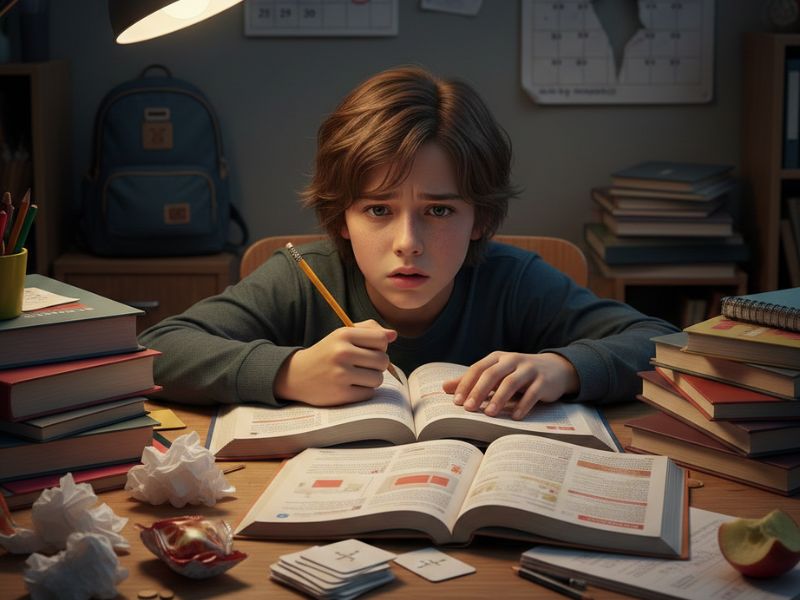
Sometimes the first sign is silence. A child who once shared school stories suddenly stops talking about their day. Mornings become slower, small worries turn into tension, and parents begin to sense that something feels emotionally wrong, even when grades still appear normal.
Through years of studying homeschooling decisions and reviewing real family experiences, one reality appears repeatedly. Families rarely begin exploring homeschooling because of academics alone. They start when emotional well-being becomes uncertain and they want to understand whether a different learning environment could help restore confidence and stability.
- Key Takeaways
- What Does Research Say About Homeschooling and Mental Health?
- Research Findings and Statistics
- Mental Health Benefits of Homeschooling
- Potential Mental Health Risks of Homeschooling
- Long-Term Mental Health Outcomes
- Homeschool vs Public School: Mental Health Comparison
- Which Children May Benefit Most?
- Can Homeschooling Help Anxiety or Depression?
- How to Decide if Homeschooling Is Right for Your Child’s Mental Health
- Common Myths About Homeschooling and Mental Health
- Is Homeschooling Always Better for Mental Health?
- Quick Checklist: Signs Your Child May Need a Different Learning Environment
- When Homeschooling May Help vs May Not Help
- Frequently Asked Questions
- Conclusion
Key Takeaways
- Homeschooling can reduce daily stress, bullying exposure, and academic pressure for some children.
- Research shows mixed results, meaning it does not automatically improve mental health.
- Emotional outcomes depend more on family support, social opportunities, and learning environment.
- Homeschooling may help children with anxiety, ADHD, or emotional sensitivity.
- The best choice depends on a child’s unique needs, not a single education method.
What Does Research Say About Homeschooling and Mental Health?
Studies show mixed results.
Some research reports that homeschooled students experience:
- Lower daily stress
- Fewer bullying incidents
- Higher life satisfaction
- Strong family attachment
Other studies show:
- No major mental health difference between homeschooled students and traditionally schooled students
- School environments can support emotional growth through peer interaction
This means homeschooling is not automatically better for mental health. Outcomes depend on the child, the home environment, and the support system. Many parents ask, Is Homeschooling Better for Mental Health?, but research shows the answer is not the same for every child.
Parents who are new to this topic may first want to understand Homeschooling Explained: How Homeschooling Works & Who It’s For
before evaluating its impact on mental health.
Research Findings and Statistics
Several research studies have examined mental health outcomes of homeschooled students.
Some long-term studies suggest that homeschooled children often report similar or slightly higher life satisfaction compared to traditionally schooled peers. Researchers commonly link this to lower exposure to bullying and stronger family support.
However, other studies show no major difference in overall mental health between students educated at home and those in traditional classrooms. Experts generally agree that emotional well-being depends more on support systems, parenting style, and social opportunities than on schooling type itself.
Mental Health Benefits of Homeschooling
Reduced Stress and Anxiety
Homeschooling can reduce many common school pressures, such as strict schedules and frequent testing.
Children can learn at their own pace. This often lowers anxiety.
Some parents report improvements in sleep, mood, and emotional regulation after switching to homeschooling.
Less Bullying and Social Pressure
Bullying is one major reason families consider homeschooling.
Without daily peer pressure, some children feel safer. This can improve self-esteem and reduce social anxiety.
However, children still need social interaction through co-ops, sports, or community groups.
Personalized Learning Builds Confidence
In homeschooling, lessons match the child’s level and learning pace. Parents can slow down when a child feels confused and move ahead when they show readiness. This flexible approach reduces frustration and helps children experience steady progress. Over time, many families notice that children become more willing to try difficult tasks and feel more confident in their abilities.
Stronger Family Emotional Support
Homeschooling increases parent-child time.
Close connection can:
- Improve emotional security
- Strengthen communication
- Help children feel understood
Over time, this consistent support often helps children feel emotionally safe, speak more openly about their worries, and develop stronger trust in family relationships.

Potential Mental Health Risks of Homeschooling
Homeschooling also has potential risks.
Social Isolation
If families do not plan social activities, children may feel lonely. Social skills develop through interaction.
Parent Stress and Burnout
Homeschooling requires time and energy. If parents feel overwhelmed, stress can affect the child.
Lack of Professional Support
Traditional school settings often provide counselors and structured support services. Homeschooled students may need outside therapy if mental health issues are serious.

Long-Term Mental Health Outcomes
Long-term research shows mixed results.
Some adults who were homeschooled report strong emotional resilience, independence, and close family relationships.
Others report social confidence challenges when they had limited peer interaction.
These findings suggest long-term mental health depends more on structure, support, and social exposure than homeschooling alone.
Homeschool vs Public School: Mental Health Comparison
| Factor | Homeschooling | Public School |
|---|---|---|
| Daily Stress | Often lower | Can be higher |
| Bullying Risk | Usually lower | Higher risk |
| Social Exposure | Limited, controlled | Wide peer exposure |
| Professional Support | Must seek privately | Built-in services |
| Schedule Flexibility | High | Low |
Neither option is perfect. Each has strengths and weaknesses.
For a deeper comparison beyond mental health, many parents also ask whether Is Homeschooling Better Than Public School?
Which Children May Benefit Most?
Homeschooling may help children who:
- Experience bullying
- Have social anxiety
- Have ADHD (one of the most common mental disorders affecting children)
- Feel overwhelmed by rigid schedules
Traditional classroom environments may support children who:
- Thrive in social environments
- Enjoy structured routines
- Benefit from counseling services
Can Homeschooling Help Anxiety or Depression?
Homeschooling can reduce common triggers such as bullying, academic pressure, or overwhelming classroom environments. A calmer learning setting often helps some children feel safer and more relaxed during daily activities. However, homeschooling does not treat anxiety or depression on its own, and professional support like counseling or therapy remains essential for children facing serious emotional challenges.
How to Decide if Homeschooling Is Right for Your Child’s Mental Health
Homeschooling may be worth considering if your child:
- Experiences severe school anxiety
- Shows emotional improvement in calm environments
- Struggles with rigid academic pressure
A structured classroom environment may be better if your child:
- Thrives socially
- Needs consistent routines
- Benefits from professional support
The child’s emotional needs matter more than the schooling method.
Common Myths About Homeschooling and Mental Health
Myth: Homeschooling always improves mental health.
Fact: Mental health depends on support systems.
Myth: Homeschooled children are always isolated.
Fact: Social development depends on community involvement.
Myth: Traditional schooling always causes stress.
Fact: Many children benefit from structured environments.
Is Homeschooling Always Better for Mental Health?
No.
Homeschooling can reduce stress and bullying in some situations. But it can also create isolation or parent stress if not managed well.
The best choice depends on the child, family capacity, and available support.

Quick Checklist: Signs Your Child May Need a Different Learning Environment
- Frequent school anxiety or emotional distress
- Sudden loss of confidence or motivation
- Ongoing bullying or social pressure
- Difficulty coping with rigid schedules
- Noticeable emotional improvement in calm settings
If several of these signs are consistent, parents may consider exploring alternative learning options carefully.
When Homeschooling May Help vs May Not Help
| Situation | Homeschooling May Help | May Not Be Ideal |
|---|---|---|
| Bullying stress | Yes | |
| Social anxiety | Often helpful | |
| Need for routine | Structured environment may help more | |
| Desire for peer interaction | Traditional classroom may support better | |
| Severe mental health conditions | Partial support | Professional care needed |
Frequently Asked Questions
Does homeschooling reduce bullying stress?
Yes, it can lower exposure to daily peer pressure and create a safer emotional environment.
Is homeschooling a permanent solution for mental health problems?
No, it can support well-being but cannot replace professional care for serious emotional challenges.
Conclusion
In real situations, families who see mental health improvements after homeschooling usually create supportive and balanced learning environments. Research and long-term observations show that emotional well-being improves most when children feel safe, understood, and supported, regardless of where learning takes place.
Homeschooling can help some children, especially those facing stress, bullying, or rigid academic pressure. However, it is not a universal solution. When parents carefully evaluate their child’s emotional needs, they are more likely to find the right answer to Is Homeschooling Better for Mental Health? for their specific situation.